
Honest Rug Cleaning vs DIY New York Apartment: 2026 Guide for Gramercy Park Residents
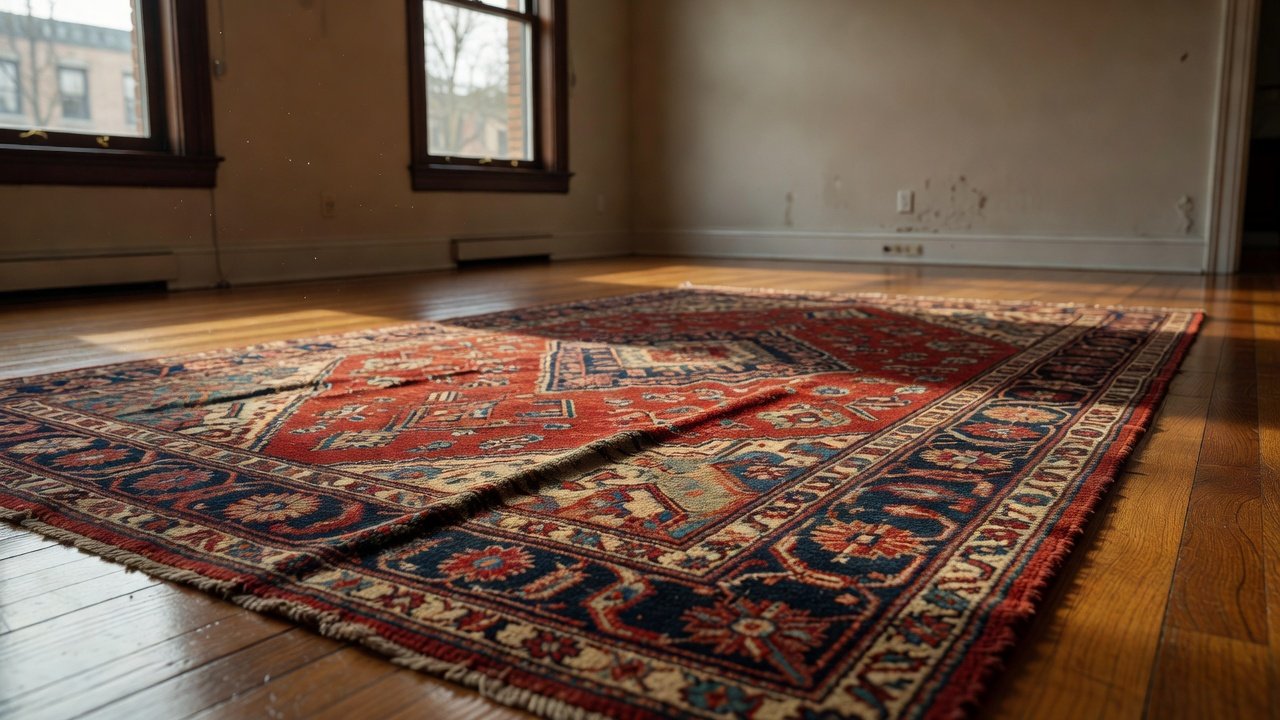
A client came to us last spring from a co-op on East 21st Street one of those classic Gramercy Park prewar buildings with herringbone hardwood floors and nine-foot ceilings. She had a 6×9 hand-knotted wool rug she’d owned for fifteen years, and she’d spent about $80 on a rental carpet cleaner from the hardware store near Union Square. The machine left the rug soaking wet. Three days later, indoors, in a Manhattan apartment with the windows cracked, it still hadn’t dried. When she finally rolled it back out, there was a brown tide line across the border and a faint mildew smell rising from the backing. What started as a money-saving afternoon turned into a restoration job that cost more than a professional cleaning would have.
We tell that story not to frighten anyone, but because the question of rug cleaning vs DIY in a New York apartment especially in a neighborhood like Gramercy Park, where a lot of residents own genuine antique or high-value rugs deserves a real answer, not a vague one. This post lays out the specific warning signs that tell you your rug needs professional attention now, the ones that are fine to monitor, and the honest cost picture behind both options.
What Rug Cleaning Actually Costs in Gramercy Park in 2026
Professional rug cleaning in Manhattan typically runs between $4 and $8 per square foot for standard wool or synthetic area rugs, depending on fiber type, soiling level, and whether any repair or fringe work is needed. A 9×12 rug common in Gramercy living room lands somewhere between $430 and $865 for a full immersion wash, drying, and delivery. That range is wide because condition matters enormously. A lightly soiled flatweave costs less to clean than a heavily trafficked, pet-affected hand-knotted Persian.
DIY rental machines run $40–$75 for a four-hour window, plus cleaning solution. On paper, the savings look real. In practice, apartment constraints eat into them fast. There is nowhere in a Gramercy Park studio or one-bedroom to properly dry a wet rug. The IICRC’s S100 Standard for Professional Cleaning of Textile Floor Coverings specifically recommends professional immersion washing for wool and natural-fiber rugs to avoid shrinkage and color bleeding two outcomes that are almost impossible to reverse once they happen. A rug that shrinks a few inches on each side may no longer fit its room, and color bleed in an antique piece can permanently alter its value.
The American Lung Association notes that rugs and carpets can trap allergens, dust mites, pet dander, and mold spores, making regular deep cleaning especially important for asthma and allergy sufferers. In a sealed New York City apartment, especially during winter months when windows stay shut, those trapped particles accumulate faster than most people expect.
The Warning Signs That Mean Call a Pro Now
Not every rug needs emergency attention. But certain signs mean the DIY window has already closed or should never be opened.
You Can Smell It Before You See It
A musty or sour odor rising from the rug, especially noticeable when the heat turns on or after a rainy week, almost always indicates mold or mildew in the backing or foundation fibers. This is not a surface problem. No rental machine reaches the depth needed to extract active mold, and wetting the rug further without proper drying infrastructure will make it worse.
The Pile Looks Flat in Heavy Traffic Lanes but Normal Elsewhere
Uneven pile compression is a sign of deep-set soil binding to fiber roots grit and particulate that household vacuuming can’t reach. According to the Institute of Inspection, Cleaning and Restoration Certification (IICRC), area rugs should be professionally cleaned every 12–18 months depending on foot traffic and household conditions. If it’s been longer than two years, compressed traffic lanes usually mean soil load has passed the point where any surface treatment helps.
There’s a Water Stain with a Defined Edge
That ring or tide line like the one our East 21st Street client discovered means minerals, dye, or soil have wicked to the surface as water evaporated. DIY re-wetting without controlled drying will move the line, not remove it. Professional cleaning uses pH-balanced rinse agents and forced-air drying to lift the residue properly.
You See Color in the Rinse Water After Blotting
If you blot a wet area and the cloth picks up color from the rug not just surface dirt, but actual dye the rug has unstable or bleeding dyes. Running a rental machine over it risks spreading that color across the entire field. This is common in older vegetable-dyed rugs, which are prevalent among the antique pieces we see from Park Slope, Astoria, and Tribeca clients.
Pet Urine, Even Old and Dry
Urine crystals bond to fiber at a molecular level. Once dry, they’re odorless until humidity or heat reactivates them. Many Gramercy apartment owners discover old pet accidents only when summer arrives and the smell returns with the humidity. Rental machines wet the surface but don’t penetrate the backing, which is exactly where urine concentrates. Professional cleaning uses enzyme treatments and full immersion.
The Fringe Is Discolored or Stiff
Fringe that has turned gray, yellow, or stiff to the touch has absorbed years of compacted soil from foot traffic and floor contact. It’s a reliable signal that the body of the rug is in similar condition, just less visible. Stiff fringe also indicates possible dry rot beginning in the foundation fibers.
Signs That Are Fine to Monitor for Now
Not every rug needs professional cleaning immediately. Light surface dust on a synthetic flatweave in a low-traffic room can be handled with regular vacuuming. A small dry food spill that was blotted immediately and dried thoroughly within an hour is usually stable. If the rug is less than a year old, in a single-occupant apartment in Williamsburg or Murray Hill, and has seen only light foot traffic, professional cleaning can wait until the 12–18 month mark. The benchmark question is simple: can you smell anything, and has the rug been more than 18 months without professional cleaning? If either answer is yes, the monitoring window is over.
Why Gramercy Park Apartments Make DIY Riskier Than Most
Gramercy is dense, vertical living. Most apartments here have no outdoor space, no garage, no laundry room large enough to maneuver a wet rug. New York City’s urban environment subway dust, street particulates, and seasonal humidity accelerate soil accumulation in rugs compared to suburban settings, a point cleaning industry professional have documented repeatedly in the context of metropolitan cleaning cycles. Combine that with the prewar construction common in this neighborhood older HVAC systems, occasional radiator steam leaks, less-than-perfect window seals and you have conditions that make moisture management after any wet cleaning genuinely difficult. The Rug and Home industry estimates that hand-knotted Oriental and Persian rugs can last 100 years or more with proper care, but improper DIY cleaning ranks among the top causes of premature fiber damage. In a Gramercy Park apartment, the risk side of that equation is higher than average.
Frequently Asked Questions
How much does professional rug cleaning cost compared to DIY in a Manhattan apartment?
Professional rug cleaning in Manhattan runs roughly $4–$8 per square foot in 2026, so a standard 9×12 rug typically costs $430–$865 depending on fiber type and condition. A DIY rental machine costs $40–$75 for a few hours, but that figure doesn’t account for the risk of incomplete drying in a small apartment, potential fiber damage, or color bleeding all of which can generate restoration costs that far exceed what professional cleaning would have run in the first place.
Can I use a rental carpet cleaner on a wool or Persian rug in my Gramercy Park apartment?
We strongly advise against it for wool, silk, or hand-knotted rugs. The IICRC recommends immersion washing for these fiber types specifically because rental machines apply water without the controlled drying environment needed to prevent shrinkage and dye migration. In a sealed apartment with limited airflow standard in Gramercy prewar buildings a wet wool rug can take days to dry, creating real mold risk in the backing.
How often should I have my rug professionally cleaned if I live in Gramercy Park?
For most households in Gramercy, we recommend professional cleaning every 12–18 months. If you have pets, children, or the rug sits in a high-traffic entry or living area, closer to 12 months is the right interval. NYC’s urban dust load is genuinely higher than suburban environments, so the standard suburban advice of “every 18–24 months” tends to be too conservative for Manhattan apartments.
If any of the warning signs above match what you’re seeing or smelling in your apartment, we’re ready to help. Eastside Rug Cleaning picks up and delivers across Gramercy Park, Midtown East, the Upper East Side, and throughout Manhattan and the outer boroughs. Reach us at eastsiderugcleaning.com to schedule a pickup and get an honest quote before anything touches water.